
When customers are held captive by firms: New article in IJRM by Prof. Hennig-Thurau and a global team of co-authors
In a new article which is now forthcoming in IJRM - International Journal of Research in Marketing, a global team of marketing scholars including LMM Chair Prof. Thorsten Hennig-Thurau introduces Spatial Captivity, a concept the authors define as perceived physical limitations on an individual’s free movement in the immediate material surroundings.
Using field data, surveys, and lab experiments across diverse service contexts, the authors find that, in general, consumers prefer and react more positively to low spatial captivity situations over high spatial captivity situations. However, this changes when people experience psychological threats (e.g., job interview anxiety, uncertainty about medical results, or watching scary movies).
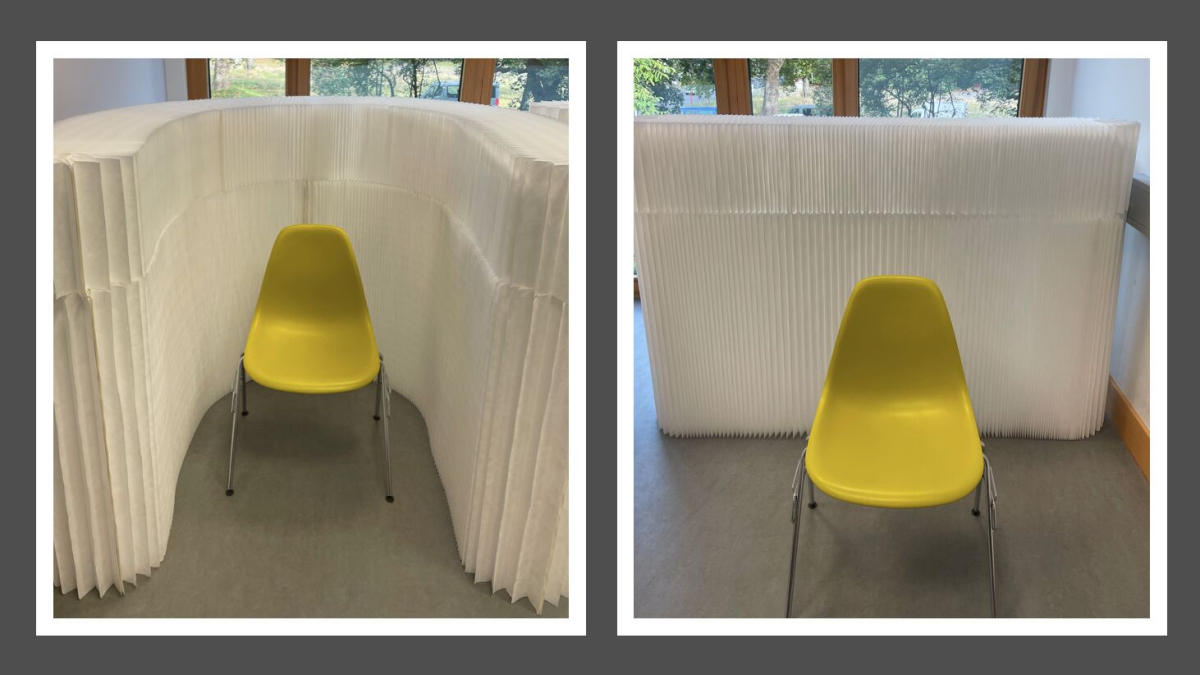
For example, the picture below shows the setting of a lab study where students were more likely to choose the left seat over the right seat when they were asked to complete an intelligence test. Such tests can feel threatening because nobody wants to appear unintelligent. In contrast, when participants completed a standard survey, they preferred the right, less spatially captive option.
One simple takeaway: Companies should pay more attention to the “small” spaces consumers interact with, above and beyond the wider store layout and design. Afraid of dentists? You might benefit from a more enclosed dentist chair. Want to enjoy horror movies without feeling too uncomfortable? Skip the wide “luxury” seats—you might prefer the sense of security that tighter seating offers.
The article is available here